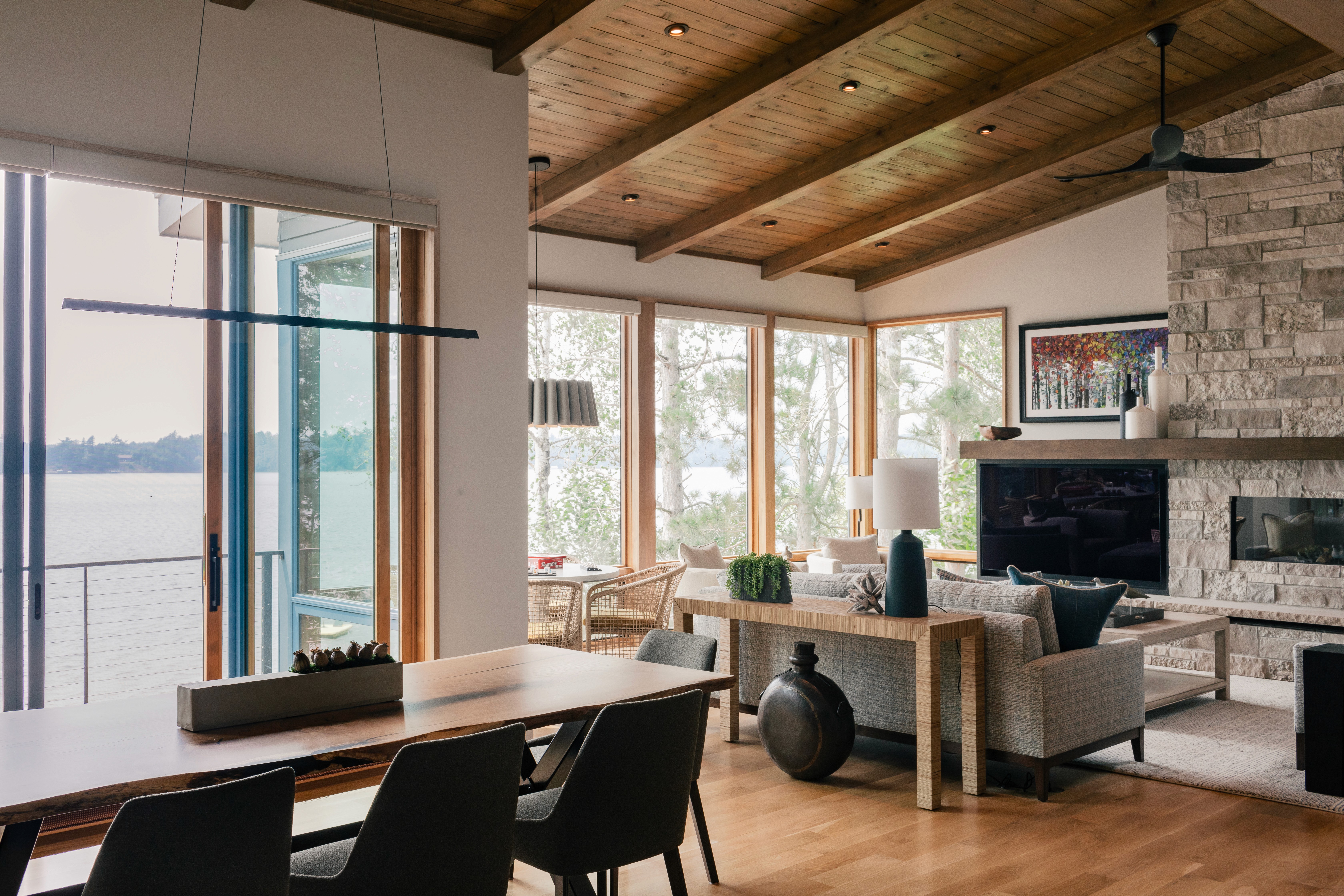
When Should You Hire An Interior Designer In A Project?
When Should You Hire An Interior Designer In A Project?
The answer is simpler than most people expect: right away. Not after the floors are poured. Not after the kitchen is framed. Not once the paint colors need to be chosen. From the very first meeting with your architect or builder that's when your interior designer should be in the room.
Here's why that timing matters so much, and how to make sure you're picking the right person for the job.
The answer is simpler than most people expect: right away. Not after the floors are poured. Not after the kitchen is framed. Not once the paint colors need to be chosen. From the very first meeting with your architect or builder that's when your interior designer should be in the room.
Here's why that timing matters so much, and how to make sure you're picking the right person for the job.
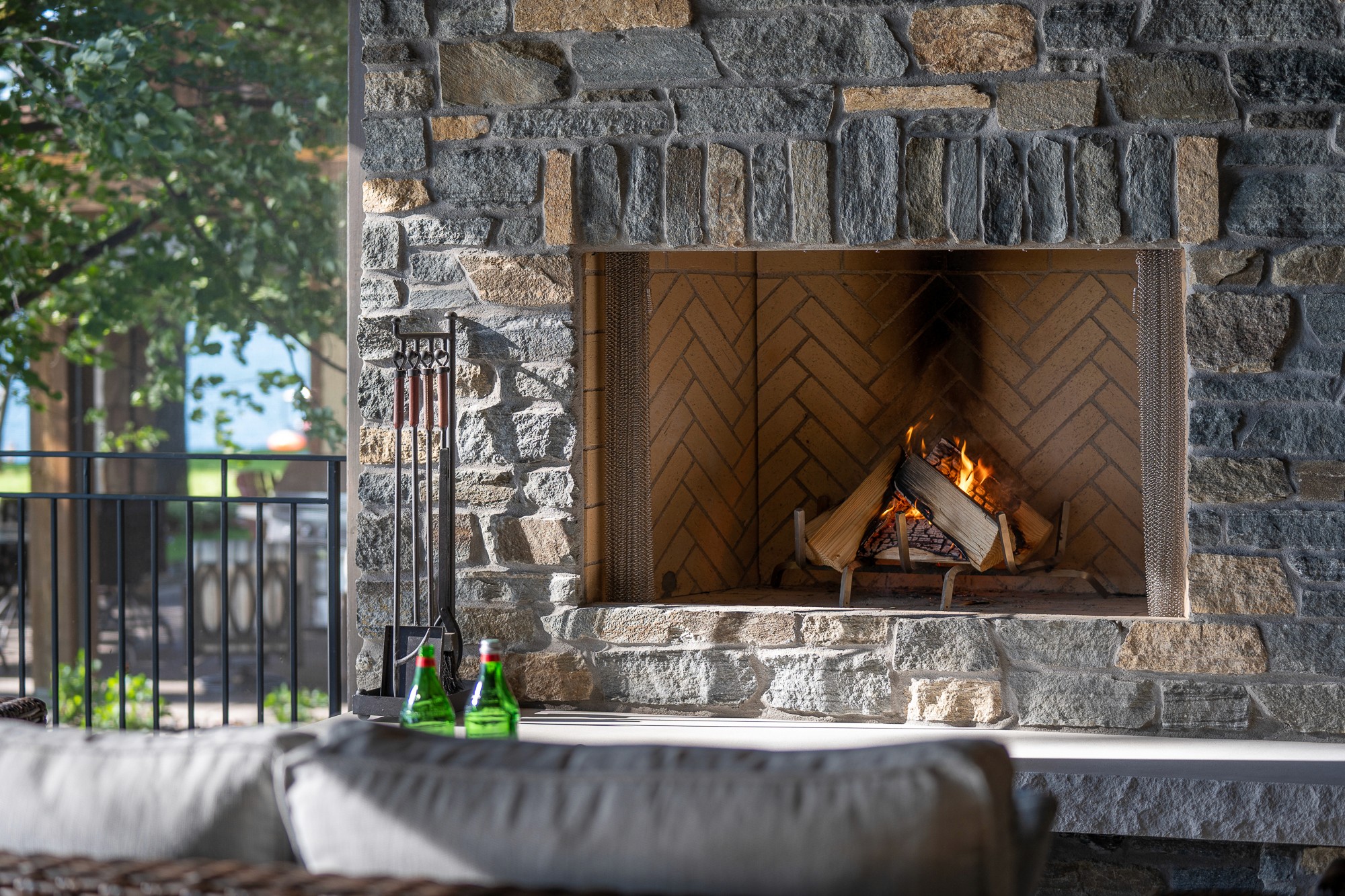
Nestled in the Swiss Alps, Whitepod offers a unique and sustainable retreat with its geodesic domes.
Nestled in the Swiss Alps, Whitepod offers a unique and sustainable retreat with its geodesic domes.

True luxury isn’t just about indulgence—it’s about responsibility. Eco-friendly resorts prove that sustainability and high-end travel can coexist, offering an experience where comfort meets conservation.
True luxury isn’t just about indulgence—it’s about responsibility. Eco-friendly resorts prove that sustainability and high-end travel can coexist, offering an experience where comfort meets conservation.
Why Early Is Always Better Than Late
Design decisions made at the planning stage cost a fraction of what the same changes cost during or after construction. Moving a window on paper takes minutes. Moving a window after framing costs thousands.
Here are the types of problems early designer involvement prevents:
Poor room proportions that no amount of furniture arrangement can fix
Awkward traffic flow through a space that wasn't designed with how people actually move in mind
Lighting placement that doesn't work with the furniture layout planned for the room
Ceiling heights and architectural details that weren't designed to support the design vision
Material conflicts between what the architect specified and what the designer would have chosen
Every one of these is significantly cheaper to solve at the blueprint stage than after the walls go up.
How to Pick the Right Interior Designer
Timing matters but so does choosing the right person. Here's what to look for:
They ask more questions than they answer in the first meeting. A designer who presents their portfolio and talks about their style before understanding your life is designing for themselves, not for you.
They have experience with your project type. A designer who specializes in high-end custom residential builds thinks differently than one focused on commercial hospitality. Match the designer to the scope.
They have an established contractor and vendor network. Especially for new builds and major renovations, a designer's professional relationships directly affect your project timeline and quality.
They communicate clearly and consistently. Design projects run for months sometimes years. You need someone you can trust to keep you informed without overwhelming you with decisions.
They listen. This is the most underrated quality in any designer. The best ones are obsessive listeners. They hear not just what you say, but what you mean.
It's a Team Effort — and It Takes Time
One of the most important things to understand before starting a design project is this: the process takes time. Not because designers are slow but because great design cannot be rushed. It requires iteration, collaboration, feedback, revisions, and moments of genuine creative discovery.
The relationship between a homeowner, architect, builder, and interior designer works best when everyone is brought together early and treated as equal contributors to a shared goal. The architect defines the structure. The builder brings it to life. The designer makes it feel like you.
When all three are communicating from day one, the result is a home that works at every level structurally, spatially, and emotionally.
Buckle in, and enjoy the process. A great design project, handled by the right team, should not feel stressful. It should feel exciting. Because at the end of it, you walk into a space that is entirely, completely yours.
Why Early Is Always Better Than Late
Design decisions made at the planning stage cost a fraction of what the same changes cost during or after construction. Moving a window on paper takes minutes. Moving a window after framing costs thousands.
Here are the types of problems early designer involvement prevents:
Poor room proportions that no amount of furniture arrangement can fix
Awkward traffic flow through a space that wasn't designed with how people actually move in mind
Lighting placement that doesn't work with the furniture layout planned for the room
Ceiling heights and architectural details that weren't designed to support the design vision
Material conflicts between what the architect specified and what the designer would have chosen
Every one of these is significantly cheaper to solve at the blueprint stage than after the walls go up.
How to Pick the Right Interior Designer
Timing matters but so does choosing the right person. Here's what to look for:
They ask more questions than they answer in the first meeting. A designer who presents their portfolio and talks about their style before understanding your life is designing for themselves, not for you.
They have experience with your project type. A designer who specializes in high-end custom residential builds thinks differently than one focused on commercial hospitality. Match the designer to the scope.
They have an established contractor and vendor network. Especially for new builds and major renovations, a designer's professional relationships directly affect your project timeline and quality.
They communicate clearly and consistently. Design projects run for months sometimes years. You need someone you can trust to keep you informed without overwhelming you with decisions.
They listen. This is the most underrated quality in any designer. The best ones are obsessive listeners. They hear not just what you say, but what you mean.
It's a Team Effort — and It Takes Time
One of the most important things to understand before starting a design project is this: the process takes time. Not because designers are slow but because great design cannot be rushed. It requires iteration, collaboration, feedback, revisions, and moments of genuine creative discovery.
The relationship between a homeowner, architect, builder, and interior designer works best when everyone is brought together early and treated as equal contributors to a shared goal. The architect defines the structure. The builder brings it to life. The designer makes it feel like you.
When all three are communicating from day one, the result is a home that works at every level structurally, spatially, and emotionally.
Buckle in, and enjoy the process. A great design project, handled by the right team, should not feel stressful. It should feel exciting. Because at the end of it, you walk into a space that is entirely, completely yours.
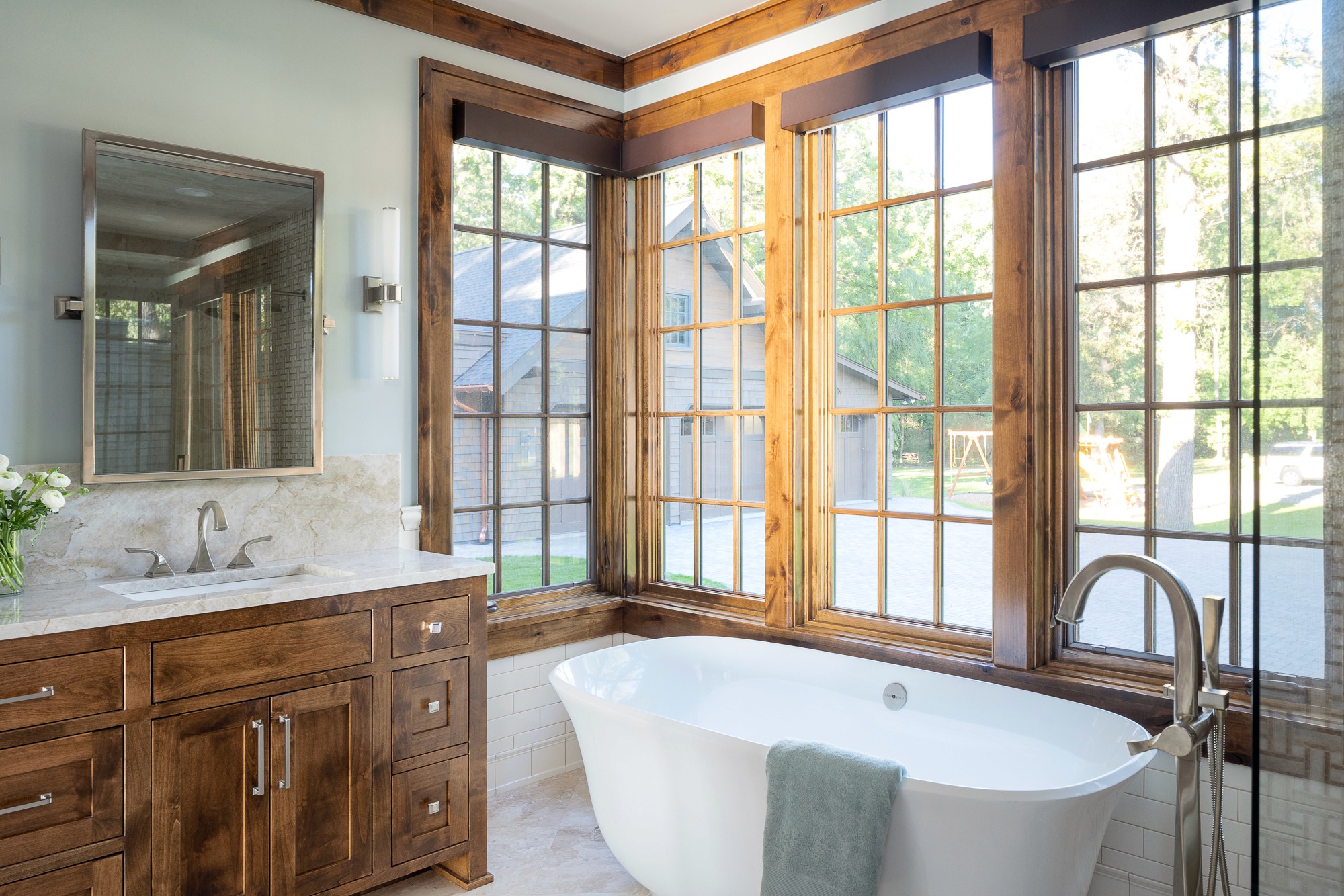
A Quick Timeline Guide
Project Stage | Should Designer Be Involved? |
|---|---|
Initial architect/builder meetings | ✅ Yes — listen, ask questions, build context |
Floor plan finalization | ✅ Yes — weigh in on spatial flow and room proportions |
Structural and MEP planning | ✅ Yes — lighting, plumbing fixture placement, outlet locations |
Material and finish selections | ✅ Yes — this is where design work intensifies |
Furniture and accessory sourcing | ✅ Yes — curating, specifying, and coordinating deliveries |
Final installation and styling | ✅ Yes — the finish line |
A Quick Timeline Guide
Project Stage | Should Designer Be Involved? |
|---|---|
Initial architect/builder meetings | ✅ Yes — listen, ask questions, build context |
Floor plan finalization | ✅ Yes — weigh in on spatial flow and room proportions |
Structural and MEP planning | ✅ Yes — lighting, plumbing fixture placement, outlet locations |
Material and finish selections | ✅ Yes — this is where design work intensifies |
Furniture and accessory sourcing | ✅ Yes — curating, specifying, and coordinating deliveries |
Final installation and styling | ✅ Yes — the finish line |