How to budget for interior design in 2026 (with real project examples)
How to budget for interior design in 2026 (with real project examples)
Mid-level budget: $15,000 to $35,000 (single room or two rooms)
At this level, you can bring in a local designer for in-person support, invest in better quality materials, and address some structural finishes like flooring or lighting upgrades.
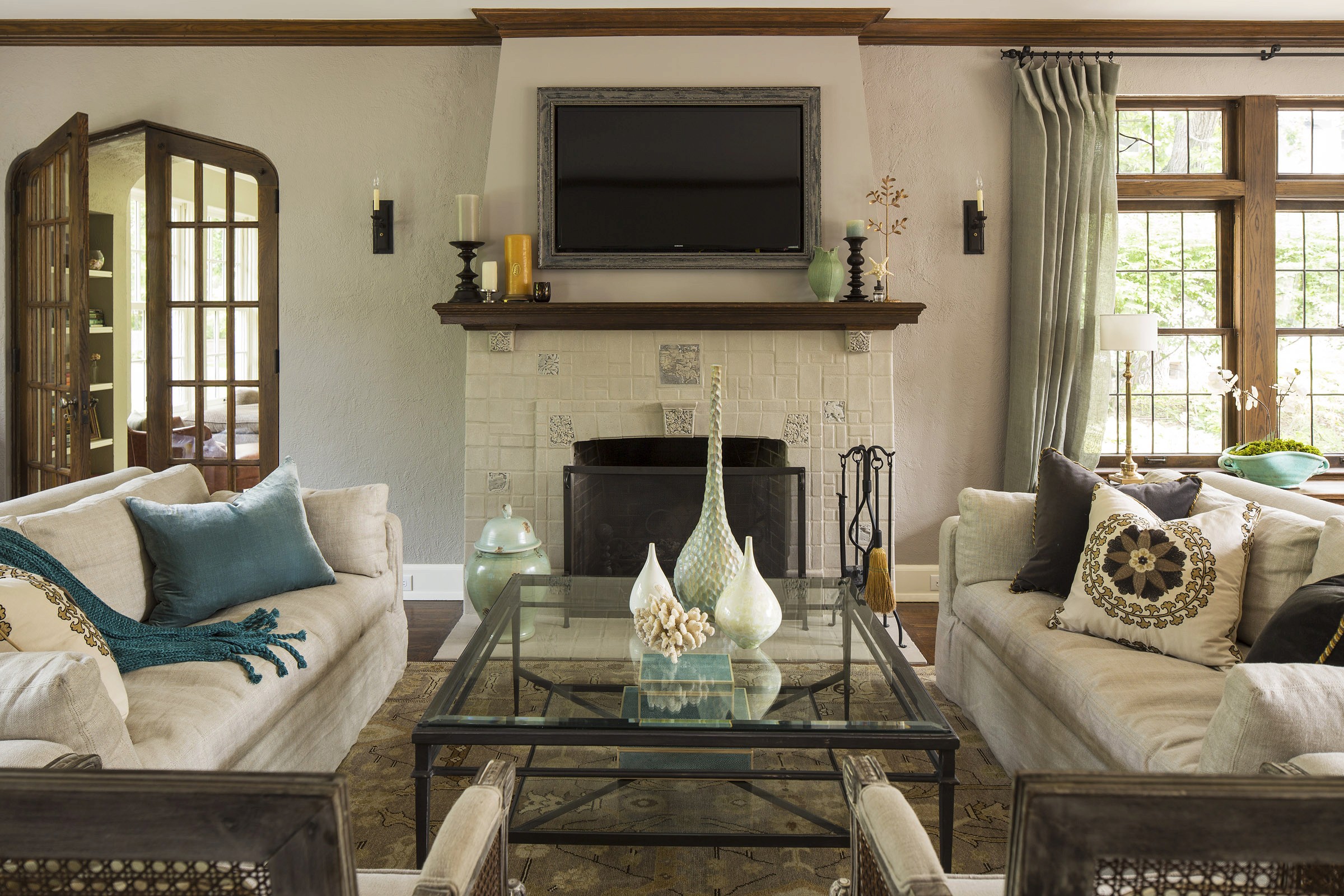
A mid-level living room example at $20,000:
Category | Budget Allocation |
|---|---|
Furniture and decor | $8,000 to $10,000 |
Materials and finishes | $4,000 to $6,000 |
Labor and installation | $3,000 to $4,000 |
Designer fee (in-person) | $2,000 to $4,000 |
Contingency (10%) | $2,000 |
Total | ~$20,000 |
Studio Black's interior design project budgeting guide puts a well-executed mid-range living room at $35,000 including all finishes and furniture, a realistic ceiling for this category.
High-end budget: $50,000 to $100,000+ (full home)
Full-home projects at this level include custom built-ins, premium finishes, complete furnishing, and full project management from a senior designer.
TALD's 2026 guide to hiring an interior designer puts the starting point for a full-scope project, covering design fees plus furniture and materials, at $25,000 all-in for a single room, scaling to $100,000+ for whole-home redesigns with premium furnishing.
Budget allocation at this level typically looks like:
Category | Typical Share |
|---|
Category | Typical Share |
|---|---|
Furniture and decor | 40% to 50% |
Materials and finishes | 25% to 30% |
Design and project management | 15% to 20% |
Labor | 15% to 20% |
Contingency | 10 to 15% reserved |
Mid-level budget: $15,000 to $35,000 (single room or two rooms)
At this level, you can bring in a local designer for in-person support, invest in better quality materials, and address some structural finishes like flooring or lighting upgrades.
A mid-level living room example at $20,000:
Category | Budget Allocation |
|---|---|
Furniture and decor | $8,000 to $10,000 |
Materials and finishes | $4,000 to $6,000 |
Labor and installation | $3,000 to $4,000 |
Designer fee (in-person) | $2,000 to $4,000 |
Contingency (10%) | $2,000 |
Total | ~$20,000 |
Studio Black's interior design project budgeting guide puts a well-executed mid-range living room at $35,000 including all finishes and furniture, a realistic ceiling for this category.
High-end budget: $50,000 to $100,000+ (full home)
Full-home projects at this level include custom built-ins, premium finishes, complete furnishing, and full project management from a senior designer.
TALD's 2026 guide to hiring an interior designer puts the starting point for a full-scope project, covering design fees plus furniture and materials, at $25,000 all-in for a single room, scaling to $100,000+ for whole-home redesigns with premium furnishing.
Budget allocation at this level typically looks like:
Category | Typical Share |
|---|
Category | Typical Share |
|---|---|
Furniture and decor | 40% to 50% |
Materials and finishes | 25% to 30% |
Design and project management | 15% to 20% |
Labor | 15% to 20% |
Contingency | 10 to 15% reserved |
How to hire an interior designer on a budget
You do not need $50,000 to work with a professional. There are several ways to get expert guidance without overspending.
Option 1: pay for a single consultation
One or two hours with a designer gives you a space assessment, an honest view of what is possible, and a priority list. TALD's 2026 hiring guide puts virtual consultations at $100 to $800 for a 30 to 60-minute session. That is enough time to get a clear direction before spending anything else.
Option 2: use online interior design services
Online or e-design services let a professional designer create a full room plan digitally. You receive a floor plan, mood board, 3D rendering, and shopping list. You handle the purchasing and installation yourself.
House Beautiful's guide to budget-friendly design options highlights platforms like Havenly (starting at $129 per room), The Expert ($150 to $1,500 per session with top designers), and similar services that pair you with a qualified designer at a fraction of traditional fees.
Option 3: hire for design only, source yourself
Some designers offer a "design-only" service. They produce the concept, floor plan, and shopping list but do not manage purchasing or installation. You take it from there.
This can cut your designer fee to 5% to 10% of the total project, saving significantly on a mid or high-end budget. Always ask if the designer offers this arrangement before assuming it is not possible.
Option 4: prioritize one room at a time
You do not have to redesign everything at once. Allocate your budget to the room you use most. Complete it. Then move on. This staged approach lets you work with a better designer at each phase rather than spreading a tight budget too thin across multiple spaces.
5 Budgeting Mistakes to Avoid
Impiriya Interior's April 2026 guide to cost-saving design tips and practitioner sources flag these as the most common and costly errors:
Not separating design fees from total project cost. Your designer's fee is separate from what you spend on furniture and materials. Budget for both, not one combined number
Skipping the contingency fund. Renovations almost always uncover something unexpected. Reserve 10 to 15% before the project starts, not after
Choosing a designer before setting your budget. This leads to mismatched expectations. Set your total number first, then find a designer who works within it
Underestimating labor. Labor costs account for 20 to 30% of most projects. New buyers consistently underallocate here
Buying everything at once. Purchasing furniture in phases lets you see pieces in the actual space before committing to the full room. It also spreads cost over time
How to tell a designer your budget (without feeling awkward)
This is the part most clients avoid. They worry that sharing a number will limit options or signal a "small" project.
TALD's 2026 hiring guide is direct: stating your budget range upfront is the single most efficient thing you can do. It filters out mismatched designers before the first conversation, saves hours of back-and-forth, and signals that you are a prepared, serious client.
A simple phrase like "My total budget including furniture and design fees is $X, and I have a 10% contingency set aside" tells a designer everything they need to give you an accurate proposal.
How to hire an interior designer on a budget
You do not need $50,000 to work with a professional. There are several ways to get expert guidance without overspending.
Option 1: pay for a single consultation
One or two hours with a designer gives you a space assessment, an honest view of what is possible, and a priority list. TALD's 2026 hiring guide puts virtual consultations at $100 to $800 for a 30 to 60-minute session. That is enough time to get a clear direction before spending anything else.
Option 2: use online interior design services
Online or e-design services let a professional designer create a full room plan digitally. You receive a floor plan, mood board, 3D rendering, and shopping list. You handle the purchasing and installation yourself.
House Beautiful's guide to budget-friendly design options highlights platforms like Havenly (starting at $129 per room), The Expert ($150 to $1,500 per session with top designers), and similar services that pair you with a qualified designer at a fraction of traditional fees.
Option 3: hire for design only, source yourself
Some designers offer a "design-only" service. They produce the concept, floor plan, and shopping list but do not manage purchasing or installation. You take it from there.
This can cut your designer fee to 5% to 10% of the total project, saving significantly on a mid or high-end budget. Always ask if the designer offers this arrangement before assuming it is not possible.
Option 4: prioritize one room at a time
You do not have to redesign everything at once. Allocate your budget to the room you use most. Complete it. Then move on. This staged approach lets you work with a better designer at each phase rather than spreading a tight budget too thin across multiple spaces.
5 Budgeting Mistakes to Avoid
Impiriya Interior's April 2026 guide to cost-saving design tips and practitioner sources flag these as the most common and costly errors:
Not separating design fees from total project cost. Your designer's fee is separate from what you spend on furniture and materials. Budget for both, not one combined number
Skipping the contingency fund. Renovations almost always uncover something unexpected. Reserve 10 to 15% before the project starts, not after
Choosing a designer before setting your budget. This leads to mismatched expectations. Set your total number first, then find a designer who works within it
Underestimating labor. Labor costs account for 20 to 30% of most projects. New buyers consistently underallocate here
Buying everything at once. Purchasing furniture in phases lets you see pieces in the actual space before committing to the full room. It also spreads cost over time
How to tell a designer your budget (without feeling awkward)
This is the part most clients avoid. They worry that sharing a number will limit options or signal a "small" project.
TALD's 2026 hiring guide is direct: stating your budget range upfront is the single most efficient thing you can do. It filters out mismatched designers before the first conversation, saves hours of back-and-forth, and signals that you are a prepared, serious client.
A simple phrase like "My total budget including furniture and design fees is $X, and I have a 10% contingency set aside" tells a designer everything they need to give you an accurate proposal.