Types Of Interior Designers: Residential, Commercial, Sustainable, Luxury, Online & More
Types Of Interior Designers: Residential, Commercial, Sustainable, Luxury, Online & More
Most people picture one type of interior designer someone who designs living rooms and kitchens for homeowners. But the field is far broader than that. From superyachts to sustainable office buildings to fully remote design services, interior designers specialize across a wide range of environments. Here's a breakdown of every major type and what makes each one distinct.
Most people picture one type of interior designer someone who designs living rooms and kitchens for homeowners. But the field is far broader than that. From superyachts to sustainable office buildings to fully remote design services, interior designers specialize across a wide range of environments. Here's a breakdown of every major type and what makes each one distinct.
Nestled in the Swiss Alps, Whitepod offers a unique and sustainable retreat with its geodesic domes.
Nestled in the Swiss Alps, Whitepod offers a unique and sustainable retreat with its geodesic domes.

True luxury isn’t just about indulgence—it’s about responsibility. Eco-friendly resorts prove that sustainability and high-end travel can coexist, offering an experience where comfort meets conservation.
True luxury isn’t just about indulgence—it’s about responsibility. Eco-friendly resorts prove that sustainability and high-end travel can coexist, offering an experience where comfort meets conservation.
3. Sustainable Interior Designer
Sustainable design is one of the fastest-growing specialties in the field and for good reason. A sustainable interior designer prioritizes materials and products that are environmentally responsible, ethically sourced, and healthy for the people living or working in the space.
This goes far beyond choosing recycled materials. It includes:
Reclaimed and responsibly harvested wood, milled into flooring and wall paneling from certified sources
Furniture bases made from recycled plastics ocean-recovered plastic bottles transformed into structural components
Countertops made from fishing nets recovered from the ocean, repurposed into beautiful, durable surfaces
Organic cotton and natural textiles sourced from ethical farming operations
Hides from slaughterhouses repurposed into leather used in upholstery giving a byproduct new life rather than sending it to waste
The philosophy behind sustainable design is that beautiful spaces and environmental responsibility are not in conflict. The best sustainable designers prove that every day producing spaces that are stunning, healthy for the occupants, and conscious of their impact on the planet.
Did you know? The interior design and construction industry accounts for nearly 40% of global energy consumption and a significant share of landfill waste. Sustainable designers are directly working to change that.
4. Nautical, Aerospace & Automotive Designer
This is the specialty most people don't know exists and it might be the most fascinating one.
Some interior designers specialize in the interiors of vehicles: yachts and boats, private jets and commercial aircraft, luxury automobiles and limousines. These designers work within extreme spatial constraints, strict weight and safety regulations, and with materials that must perform in demanding environments saltwater, altitude, vibration, and constant movement.
Personal note: I once had the privilege of working on a 1933 Peerless automobile selecting colors, upholstery fabrics, and interior trim for a vintage restoration. It was one of the most unique and technically interesting projects I've ever been part of. The attention to detail required at that scale is extraordinary.
One name worth knowing in this world is Gretchen Bellinger, a legendary textile designer whose Limousine Cloth fabric became synonymous with the highest level of automotive and transportation interior luxury. Her work is a perfect example of how textile artistry and functional performance can exist in the same product designed specifically for the interiors of limousines and luxury vehicles.
These designers sit at the intersection of industrial design, engineering, and interior craft a rare and highly specialized skill set.
Did you know? Private yacht interiors can cost more per square foot than almost any residential project in the world. A 100-foot superyacht interior design project can run into the millions with every material custom specified for marine-grade performance.
5. Online / Remote Interior Designer
Online interior design has grown dramatically over the past several years and is now a fully legitimate, highly functional service for homeowners who want professional design without the in-person process.
An online designer works remotely using:
Your room dimensions, photos, and measurements submitted digitally
Video consultations to understand your lifestyle, preferences, and goals
Digital floor plans and 3D renderings that show you exactly what the finished space will look like
Curated shopping lists with direct links to every specified item
The result is a professionally designed room plan you can execute yourself or hand off to a contractor without the designer ever stepping foot in your home.
This model works particularly well for:
Homeowners in cities or regions with limited access to qualified local designers
Smaller projects like a single bedroom, home office, or living room refresh
Clients who are comfortable managing the purchasing and installation process themselves
Budget-conscious projects where a full-service designer engagement isn't feasible
Did you know? Several online design platforms now offer full room design packages starting under $500 a fraction of the cost of a traditional full-service engagement. The tradeoff is the hands-on project management and vendor access that a full-service designer provides.
Which Type of Designer Do You Need?
Your Project | Type of Designer |
|---|---|
Designing or renovating your home | Residential interior designer |
Office, retail, hotel, or multi-unit building | Commercial interior designer |
Environmentally responsible materials and sourcing | Sustainable interior designer |
Yacht, jet, or luxury vehicle interior | Nautical / Aerospace / Automotive designer |
Single room, smaller budget, remote service | Online interior designer |
3. Sustainable Interior Designer
Sustainable design is one of the fastest-growing specialties in the field and for good reason. A sustainable interior designer prioritizes materials and products that are environmentally responsible, ethically sourced, and healthy for the people living or working in the space.
This goes far beyond choosing recycled materials. It includes:
Reclaimed and responsibly harvested wood, milled into flooring and wall paneling from certified sources
Furniture bases made from recycled plastics ocean-recovered plastic bottles transformed into structural components
Countertops made from fishing nets recovered from the ocean, repurposed into beautiful, durable surfaces
Organic cotton and natural textiles sourced from ethical farming operations
Hides from slaughterhouses repurposed into leather used in upholstery giving a byproduct new life rather than sending it to waste
The philosophy behind sustainable design is that beautiful spaces and environmental responsibility are not in conflict. The best sustainable designers prove that every day producing spaces that are stunning, healthy for the occupants, and conscious of their impact on the planet.
Did you know? The interior design and construction industry accounts for nearly 40% of global energy consumption and a significant share of landfill waste. Sustainable designers are directly working to change that.
4. Nautical, Aerospace & Automotive Designer
This is the specialty most people don't know exists and it might be the most fascinating one.
Some interior designers specialize in the interiors of vehicles: yachts and boats, private jets and commercial aircraft, luxury automobiles and limousines. These designers work within extreme spatial constraints, strict weight and safety regulations, and with materials that must perform in demanding environments saltwater, altitude, vibration, and constant movement.
Personal note: I once had the privilege of working on a 1933 Peerless automobile selecting colors, upholstery fabrics, and interior trim for a vintage restoration. It was one of the most unique and technically interesting projects I've ever been part of. The attention to detail required at that scale is extraordinary.
One name worth knowing in this world is Gretchen Bellinger, a legendary textile designer whose Limousine Cloth fabric became synonymous with the highest level of automotive and transportation interior luxury. Her work is a perfect example of how textile artistry and functional performance can exist in the same product designed specifically for the interiors of limousines and luxury vehicles.
These designers sit at the intersection of industrial design, engineering, and interior craft a rare and highly specialized skill set.
Did you know? Private yacht interiors can cost more per square foot than almost any residential project in the world. A 100-foot superyacht interior design project can run into the millions with every material custom specified for marine-grade performance.
5. Online / Remote Interior Designer
Online interior design has grown dramatically over the past several years and is now a fully legitimate, highly functional service for homeowners who want professional design without the in-person process.
An online designer works remotely using:
Your room dimensions, photos, and measurements submitted digitally
Video consultations to understand your lifestyle, preferences, and goals
Digital floor plans and 3D renderings that show you exactly what the finished space will look like
Curated shopping lists with direct links to every specified item
The result is a professionally designed room plan you can execute yourself or hand off to a contractor without the designer ever stepping foot in your home.
This model works particularly well for:
Homeowners in cities or regions with limited access to qualified local designers
Smaller projects like a single bedroom, home office, or living room refresh
Clients who are comfortable managing the purchasing and installation process themselves
Budget-conscious projects where a full-service designer engagement isn't feasible
Did you know? Several online design platforms now offer full room design packages starting under $500 a fraction of the cost of a traditional full-service engagement. The tradeoff is the hands-on project management and vendor access that a full-service designer provides.
Which Type of Designer Do You Need?
Your Project | Type of Designer |
|---|---|
Designing or renovating your home | Residential interior designer |
Office, retail, hotel, or multi-unit building | Commercial interior designer |
Environmentally responsible materials and sourcing | Sustainable interior designer |
Yacht, jet, or luxury vehicle interior | Nautical / Aerospace / Automotive designer |
Single room, smaller budget, remote service | Online interior designer |
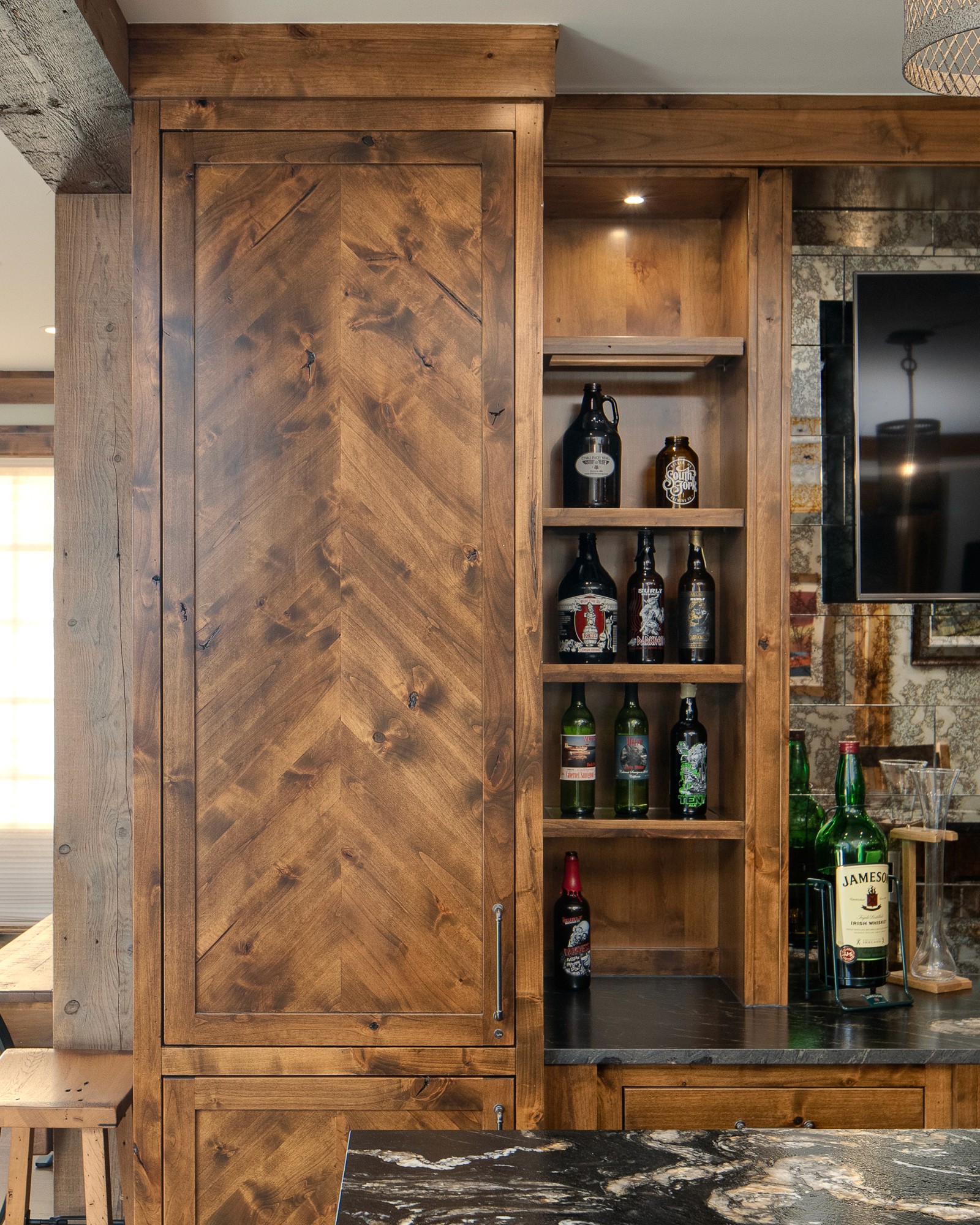
The Overlap Is Real
Many designers cross over between specialties particularly residential and sustainable design, which increasingly go hand in hand. A residential designer who is deeply knowledgeable about sustainable sourcing is not a niche choice anymore. It's simply a better designer.
The most important thing is to hire someone whose specialty matches your project type, whose experience aligns with your scope, and whose design values align with yours. The title is just the starting point the relationship is what produces the result.
The Overlap Is Real
Many designers cross over between specialties particularly residential and sustainable design, which increasingly go hand in hand. A residential designer who is deeply knowledgeable about sustainable sourcing is not a niche choice anymore. It's simply a better designer.
The most important thing is to hire someone whose specialty matches your project type, whose experience aligns with your scope, and whose design values align with yours. The title is just the starting point the relationship is what produces the result.