RSS
 

Archive for April, 2011

Coffee table or cocktail table? Let’s explore!

28 Apr

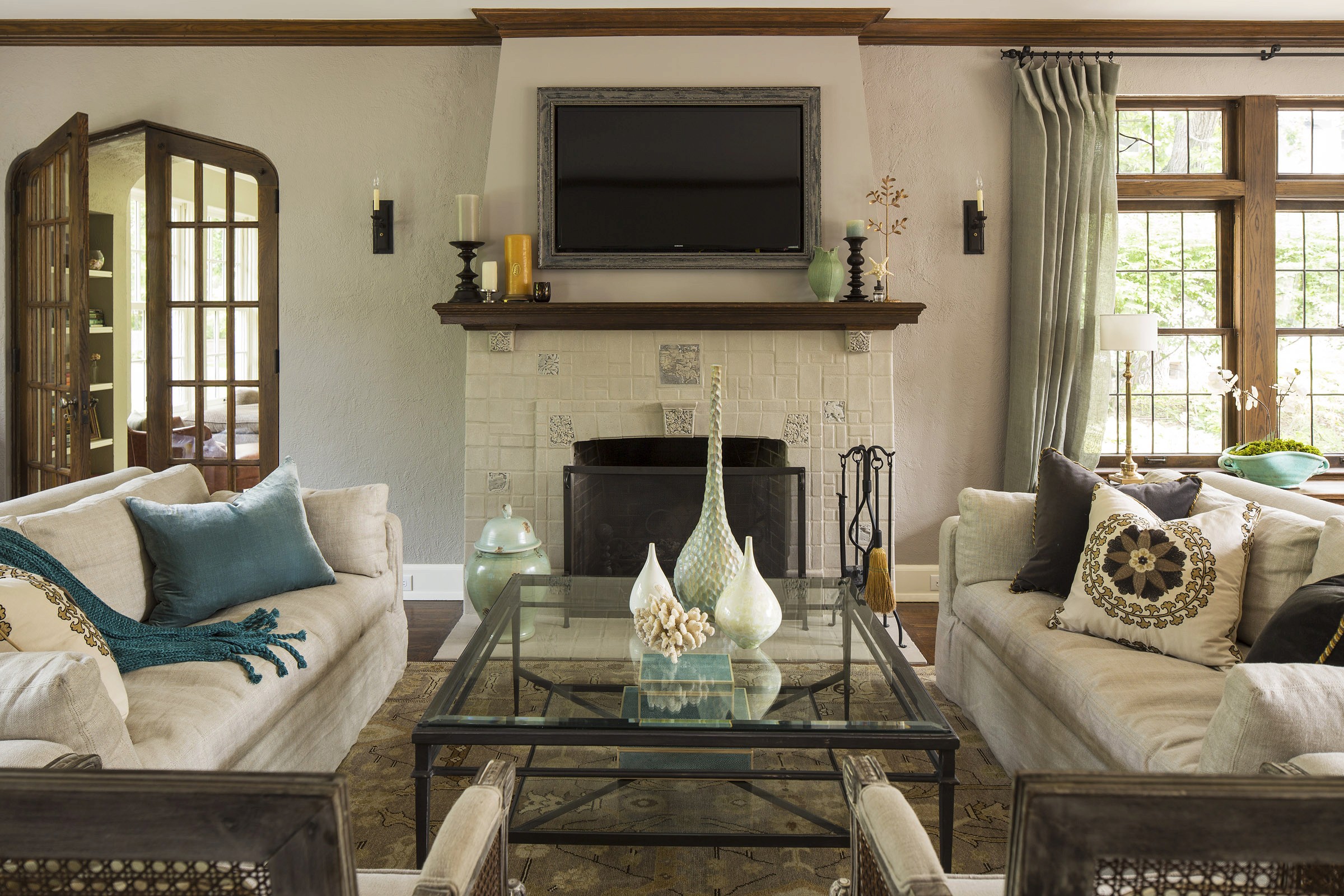
Coffee table, as defined by wiktionary.org, is “a long, low table, often placed before seating in a living room, on which drinks may be served, magazines placed, etc.” Cocktail table is just another name for coffee table, but unofficially, I like to think it’s a coffee table before noon and a cocktail table after noon. What, too early?

A little back-story: According to ehow.com, prior to the 19th century the long, low table was called a cocktail table or simply “table.” Near the end of the 19th century, however, people started calling it a coffee table because cocktail table no longer made sense. In 1938, E.W. Godwin, renown architect and furniture designer, referred to one of his creations as a coffee table, and the term stuck.

Manufacturers interchange the name frequently, but the reality is there is no discernible difference in the two types of tables. They can be made of wood, bamboo, metal, glass, acrylic and even plastic.

Here are some fabulous tables I suggest:

This Baker Cocktail Table is a classic. The Japanese-lacquered (amazing finish!) low table features a rectangular hand-planed top supported by eight flared legs simply connected by a stretcher. This stunning table is quite hefty in size (over 5 feet long), but its sleek lines make it feel light and well suited to almost any room.


This classically shaped Sonoma Cocktail Table from the Amy Howard furniture collection has a zinc top and reclaimed oak base. I can picture this gorgeous piece on a three-season porch or even in a family room. I love the use of contrasting materials in creating this wonderfully understated table. Imagine a primitive bowl with moss and gourds adorning the tabletop…just so easy on the eyes.


Another staple in my design is thisSalisbury Cocktail Table. In addition to the casual plank top and turned legs, this table features a pair of drawers in which to hide your coasters and remote controls.


Ah, and don’t forget Barbara Barry! This silver-leaf table (looks goldish in this photo) is perfect for a more formal room. The unembellished glass top allows the flawless design of the legs to take center stage.

And now I’m craving a cup of coffee…or a cocktail!

Renae


What does your room color say?

13 Apr

After my declaration of love in my last post, you might have guessed I’m not nearly done talking about color. You’d be right: I’m not even close to done. In this post, I thought I’d explore how wall color strongly influences the mood of a room, and which colors to gravitate toward and avoid in certain rooms of your home.

Red

It should come as no surprise that red is the most powerful and intense color in design. Red stimulates the pulse, quickens breathing, and pumps adrenaline, and when used properly, red is a good choice for creating excitement, especially at night. In the living or dining room, red draws people together and stimulates conversation. In an entryway, it creates a strong first impression. While commonly a symbol of love, red also represents rage and anger, so be careful not to overuse this commanding color. It is perfect for an accent wall but should be avoided as the main color of the room.

Orange

Like red, orange evokes excitement and energy, quickly drawing the eye to its presence. Thanks to its yellow cousin, however, orange adds a sunny brightness and lively mood to the space. While not a great choice as the main color for living rooms or bedrooms, orange is perfect for the exercise room, where it evokes energy and excitement.

Yellow

Yellow is the color of sun, light, energy and happiness. It’s ideal for kitchens, dining rooms, bathrooms, or any room that is naturally small or dark. In halls and entryways, yellow can feel expansive and welcoming. However, yellow does have its downsides. It is one of the harder colors for our eyes to take in and can become exhaustive in a room if overdone. Studies show babies cry more and people become frustrated and lose their temper more in yellow rooms (I’m guessing those two stats are related!). Another fun fact: we eat faster in yellow rooms, which is why you might notice lots of yellow in fast-food restaurants. If used properly, however, yellow is a bright addition to any room.

Green

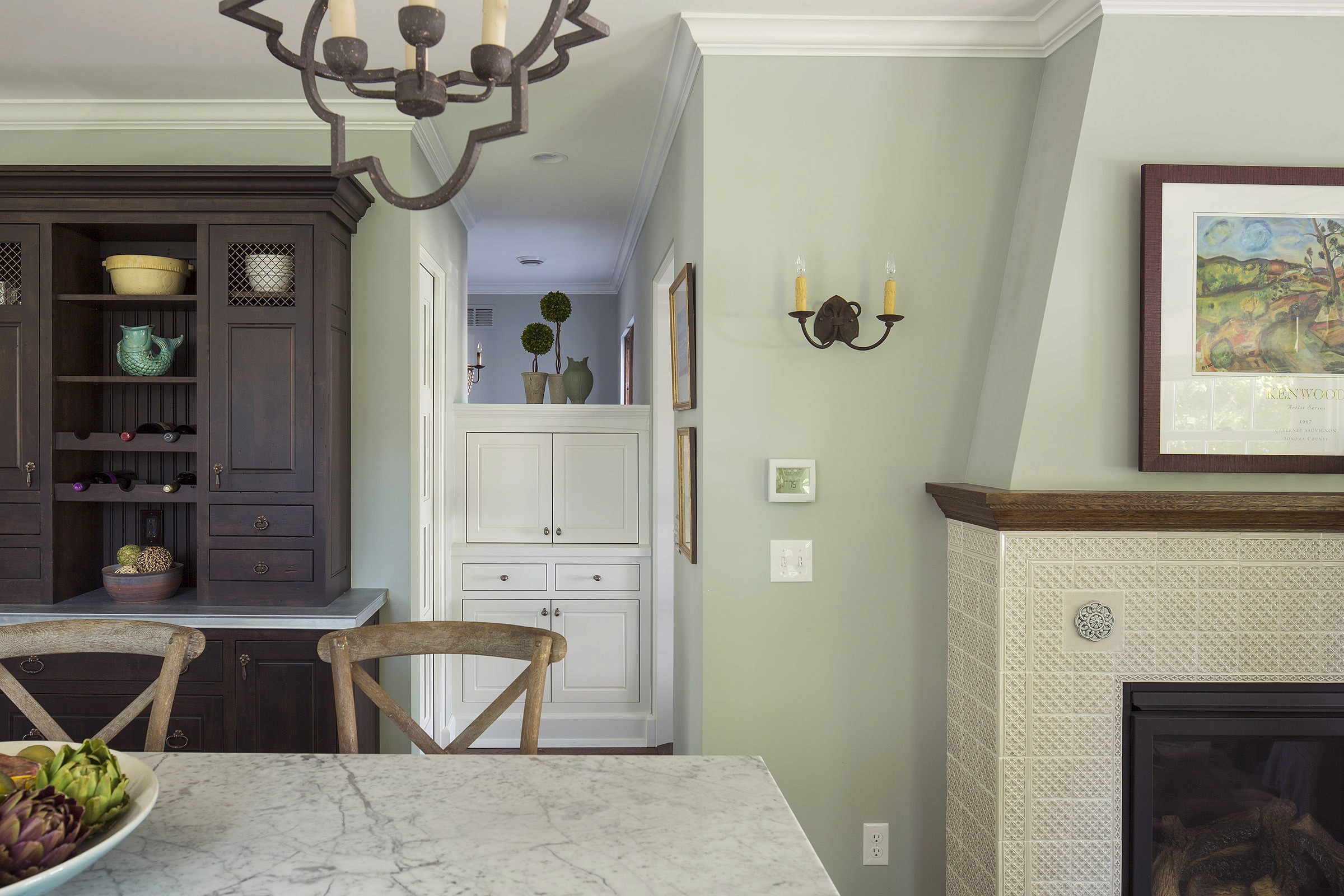
Widely considered the most restful color for the eye, green is suited to almost any room in the house. In a kitchen, a sage or medium green cools things down; in a family room or living room, it encourages unwinding but has enough warmth to promote comfort and togetherness. In a bedroom, it’s relaxing and pleasant (and said to promote fertility!). In all its versatility, green is a great choice for any room in your house.

Blue

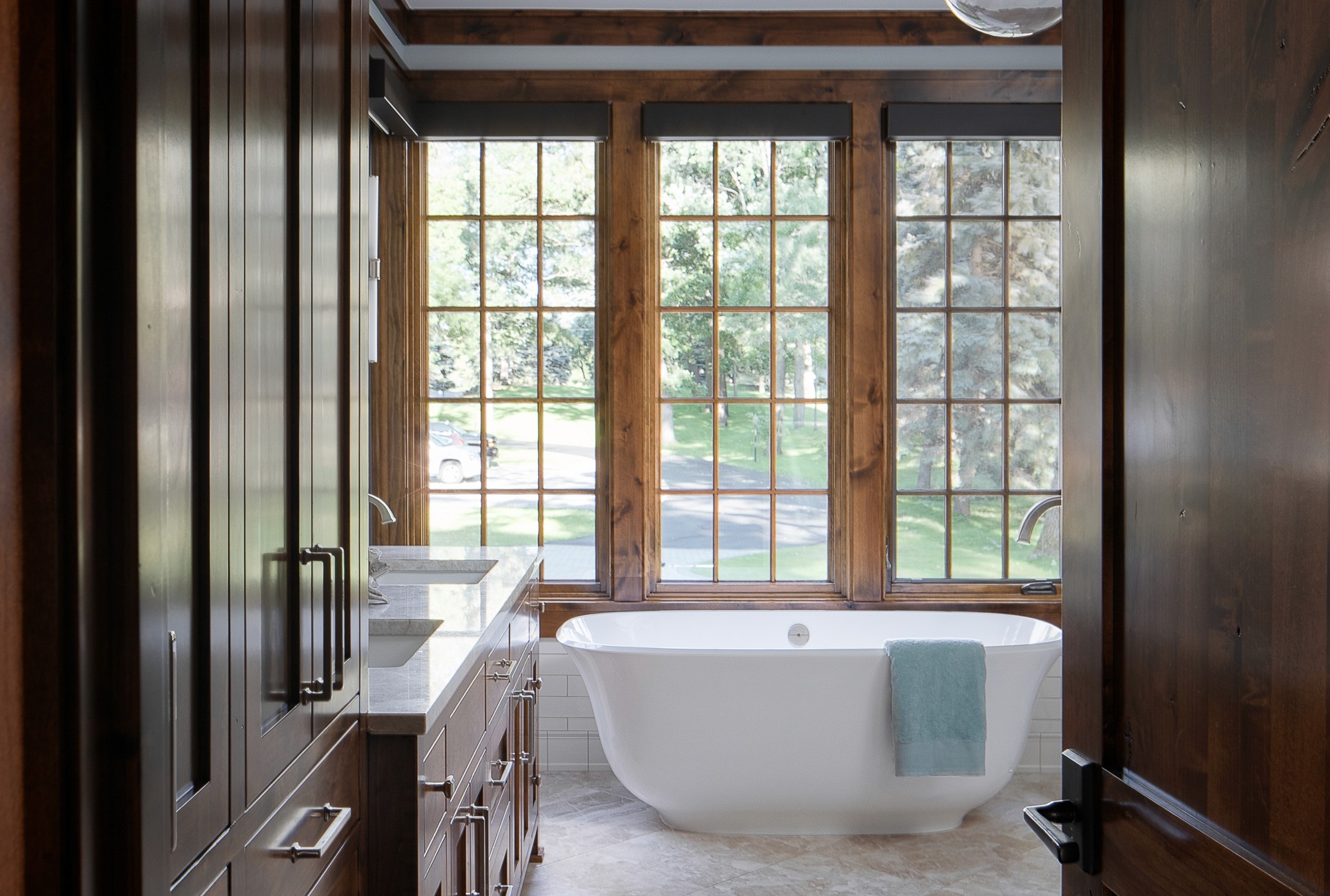
One look at our gorgeous spring sky this past week and you’ll know why blue is amongst the most relaxing of colors. The calming effect of the blue palette makes it a popular choice for bedrooms and bathrooms. Be careful, though: The wrong shade of blue can create a cold, sad mood, especially in a room that receives little natural light. Stick with soft, warm shades of blue to evoke serenity for you and your visitors.

Purple

In its darkest forms (think eggplant), purple is rich, dramatic and sophisticated. Associated with luxury and royalty, purple adds depth to any room. In its lighter forms, lavender or lilac are calming (like blue) without the risk of feeling chilly. However, because purple rarely appears in nature, it can feel artificial and should be used sparingly for the strongest impact.

Neutrals

Neutrals are always in fashion, whether it be to tone down a vibrant color or act as the main character in a space. Flexible and soothing, neutrals are ideal backdrop colors to showcase your favorite wall hangings or picture collages. Black is best used in small doses as an accent, but all neutrals have their place in this world!

I hope this color run-down was informative and helpful for future paint decisions. As always, I’d love to help handpick the perfect colors for YOUR space!

Renae